
'/%3E%3C/svg%3E)
'/%3E%3C/svg%3E)
'/%3E%3Cpath%20fill='%23b2b2b2'%20d='M241%20382q0%2016%2017%2026%2017%2011%2042%2011t42-11q16-11%2017-26V269H241'/%3E%3Cpath%20fill='%239f7e00'%20d='M241%20379q0%2014%208%2023%209%209%2021%209%2014%200%2021-9%209-9%209-23V269h-59'/%3E%3Cpath%20d='M241%20339v-70h59v110q0%2014-9%2023l-6%205v-68h-15v72q-8%200-14-4v-68zm59%2040c0%2022%2015%2032%2029%2032%2021%200%2030-18%2030-32v-40h-59'/%3E%3Cpath%20fill='%239f7e00'%20d='M266%20277v5h2v12h-3v-5h2v-5h-9v5h2v5h-4v9h3v18h-5v10h34v-10h-5v-18h3v-9h-4v-5h2v-5h-9v5h2v5h-3v-12h2v-5zm42%20101q0%2010%206%2017%206%206%2015%207%2010-1%2016-7%206-7%206-17v-29h-43'/%3E%3Ccircle%20fill='%230044ad'%20cx='329.5'%20cy='372'%20r='6'/%3E%3Cellipse%20fill='%230044ad'%20cx='300'%20cy='340'%20rx='16'%20ry='21'/%3E%3C/svg%3E)
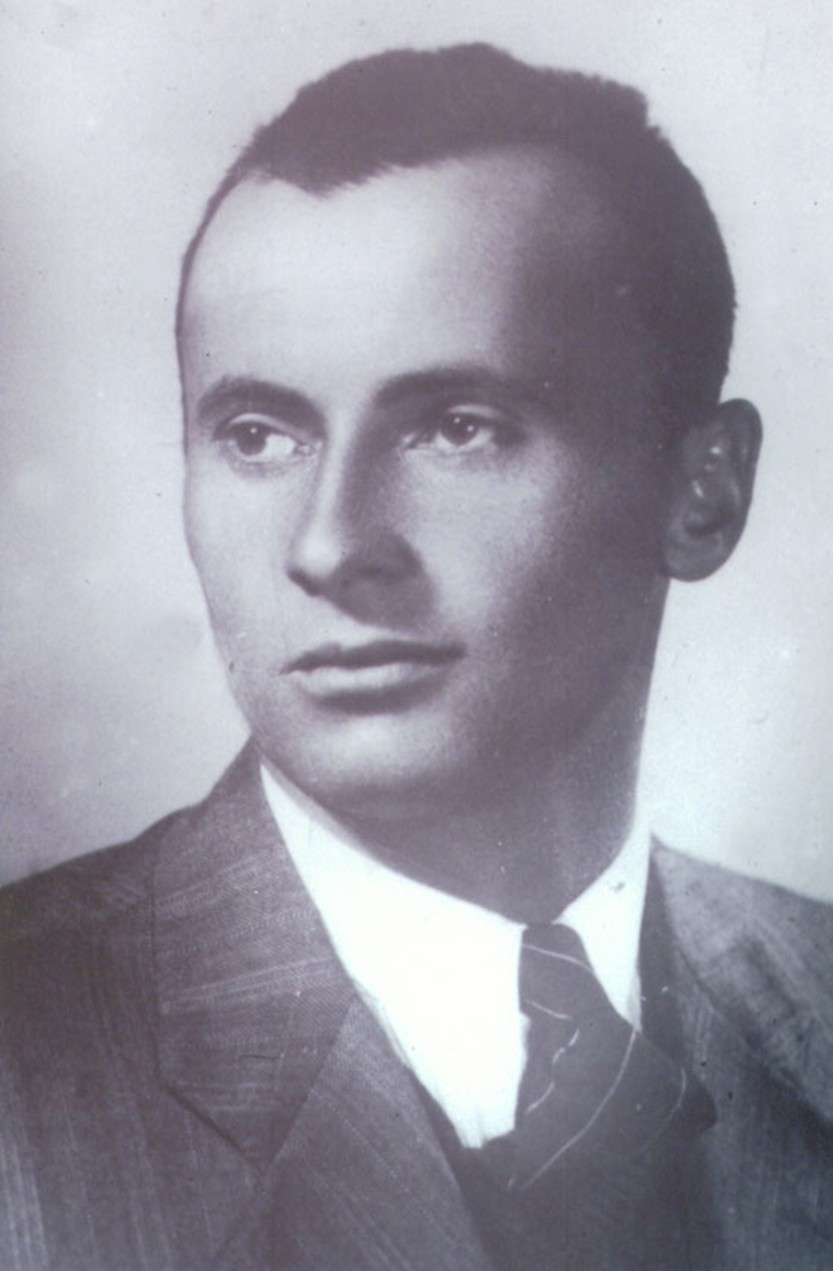


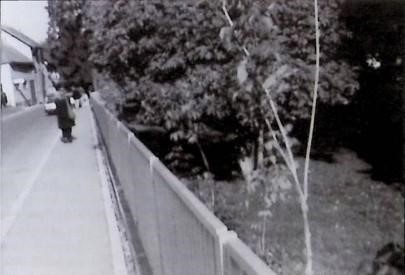
Remains of the Yugoslav Communist camp that was located in the barracks in Gerovo
Gerovo
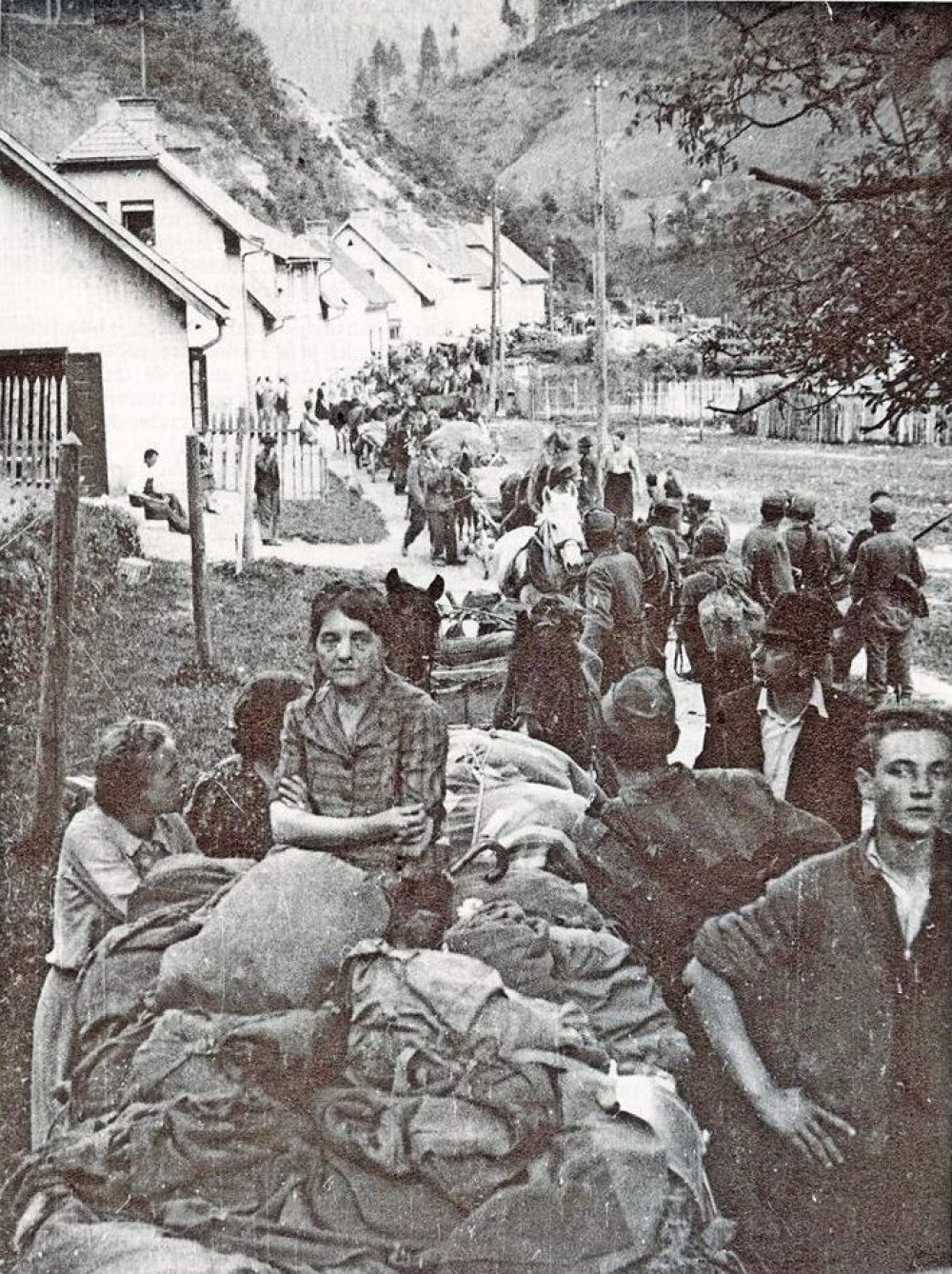
In Gerovo, not far from Delnice, there was a camp established by the Yugoslav Communist regime for prisoners who had survived 1945. This camp had been set up for physical and psychological violence against Croatian prisoners and was called the “Disciplinary Battalion.” It was an old, partially destroyed barracks, which Tito’s Partisans rebuilt, and erected seven additional wooden shacks.
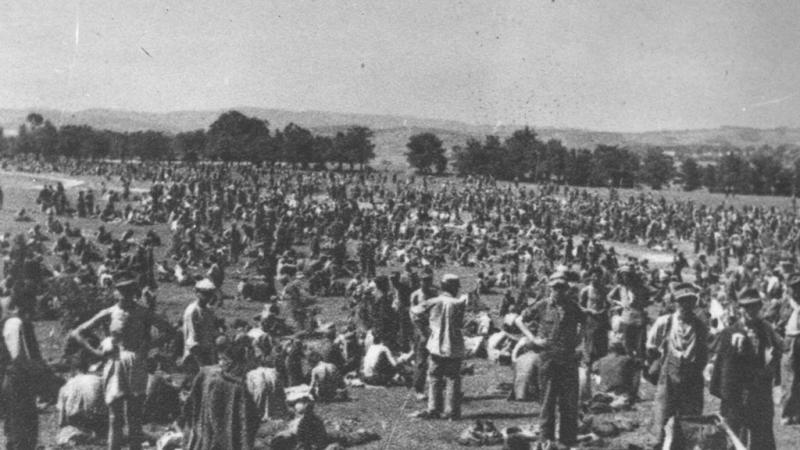
The prisoners were taken by train to the railroad station in Delnice and then transported on foot to the camp in Gerovo. The main activity in the camp was the so-called re-education or “brainwashing.” Rudolf Šimić, a participant in the Spanish Civil War, was the head of the camp. He was never short of outrageous ideas on how to torture people. He always knew how to invent something “new.” There were about 3,000 prisoners in the camp. According to the testimony of Mato Tovilo, who was himself a camp inmate:
“After arriving at the camp, I was interrogated at night on multiple occasions, and during the day I went to collect wood with the others.
According to my calculations, there were always about three thousand people in the camp. Early in the morning, divided into four groups, we went into the forest. It took us two hours to get there. There the “commissar” determined how much wood should be brought to the camp for everyone, and it was always as much as a man could carry based on his physical abilities. So every day, transformed into draft cattle, we carried wood to the camp. The camp was probably more than ten kilometers away. After “lunch” we had a political “formation.” We had to learn to say many nice things about our “liberators” and about Tito and Stalin.
For breakfast we were given tea with a piece of cornmeal groats, always the same size. At noon pickled turnips were cooked, and in the evening we had tea again without anything. During my entire stay in Gerovo, I did not see a single loaf of bread. Such living conditions were unimaginable for anyone. Therefore, it is not surprising that people lost all will to live and walked around as if in a frenzy. It is as if they no longer felt their own life. Some who could stand it no longer rushed to the fence and were mowed down by Partisan machine guns or killed by an electric wire.
On one occasion, twenty people organized an escape from this hell created on earth by the people building socialism. They were all killed. I remember that among them were Dane Šulentić, Bećan Mate, Osman Samidžić and Jure Puntić. I knew these people personally.
I was in this camp until July 1947. Then the order to dissolve the camp came. That was real luck for me, because they sent me to Zagreb.”
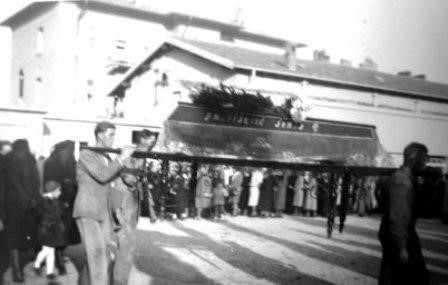
Tito’s Partisans sowed death in Gerovo even before the camp was established. Thus, the priest in Gerovo Jure Matijević was brutally murdered in mid-October 1943. A photo from his burial on November 6, 1943 at the Trsat cemetery is available at the parish office of St. Hermagoras and Fortunates.
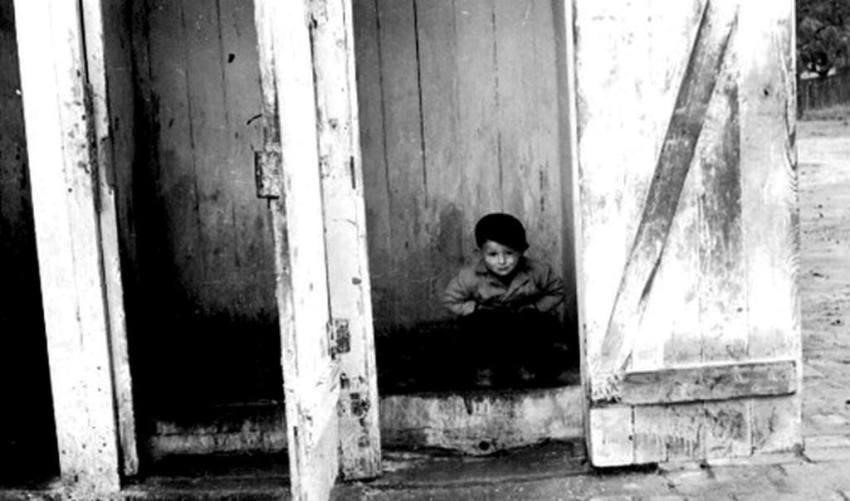
The Gerovo camp later served as accommodation for exiles from Hungary during the Hungarian Revolution of 1956, i.e. the uprising against Soviet rule and the liberation of society from Communism. The extremely poor living conditions in the camps of Communist Yugoslavia were the reason for the accelerated reconstruction of 6 camps, including the largest camp, Gerovo. In Gerovo, for example, despite the restoration, three exiles slept on two beds. The camp was surrounded by barbed wire and was under constant police surveillance. The exiles were isolated from the local population. No one could leave or visit the camp without a special permit from the Ministry of Interior. The exiles complained that they were hungry and that there was hunger in the camp.
A group of foreign journalists visited exile camps in Communist Yugoslavia from May 28 to June 3, 1957. They came at the invitation of the UN High Commissioner for Refugees, but in the organization of the Yugoslav Federal Ministry of Information. The journalists traveled by bus through Yugoslavia, visiting Bela Crkva, Osijek, Gerovo, Rijeka and Opatija. A few hours before their arrival, a car with Interior Ministry officials, who were to supervise the final preparations for the foreign journalists’ visit, arrived at the camp designated for the visit. Despite the precautions taken by the Yugoslav authorities, the impressions of this group of journalists were frightening: the covers in the Austrian and German press featured exile or concentration camps. They classified Gerovo as a camp with the worst living conditions.
Sources:
Mato Tovilo, Hrvatski križari, Toronto, 1970
impulsportal.net, June 2017
Sušačka revija, issue 62/63.
Photo: Gorski kotar – retro vintage effect (by a flickr user)
Editorial/crimesofcommunism.net