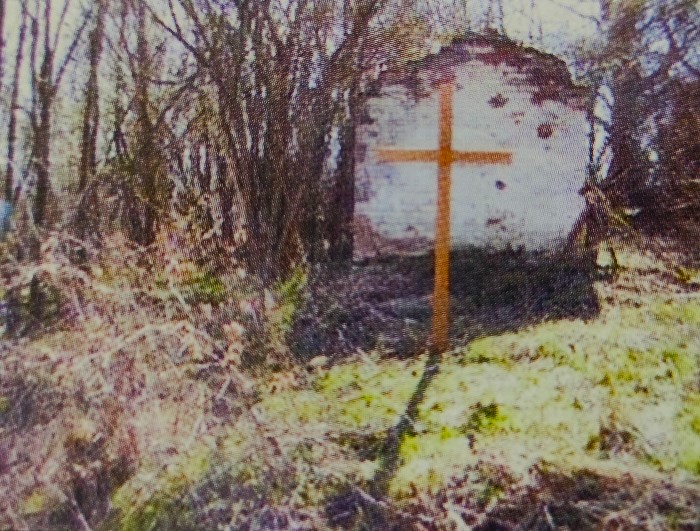





Convent and parish church of St. Mark in Plehan
Plehan – Derventa
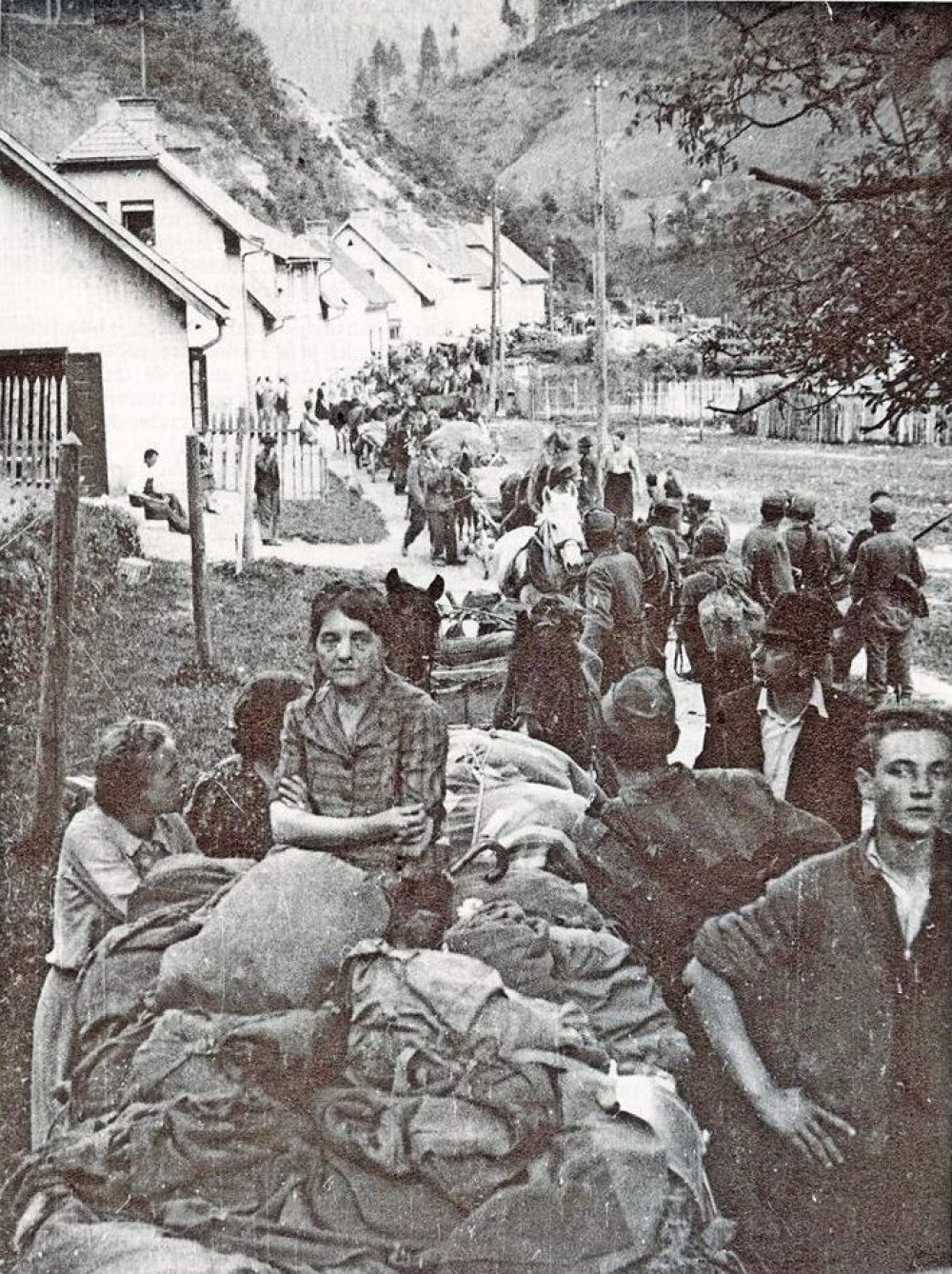
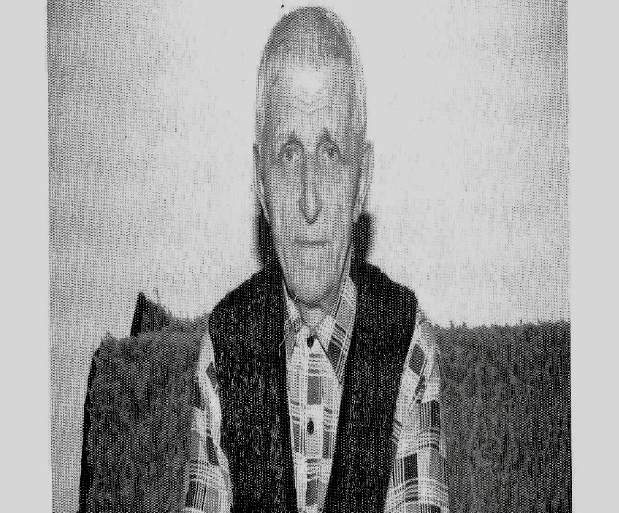
Statement of Petar Jerković in 1998 about the events in the Plehan region.
The period after the war was extremely difficult in our region, more difficult than during the war. The period from 1945 to 1948 was the time of consolidation of power of the Yugoslav Communist regime. Efforts were made to eliminate everything that reminded of the past and could harm the new, Yugoslav Communist regime, which was aware that it had no support among the Croatian population, especially in the parts it declared hostile.
Our region was marked by exactly that. They said that Plehan was a breeding ground for the Ustasha, moreover, we were all Ustasha, and the most important conclusion from such statements is: the Ustasha must be exterminated to the last one. A collective responsibility was imposed on us and we were put under strong pressure. The justification for this was the existence of about twenty people who did not surrender to the regime’s authorities, which is why they were sentenced to physical liquidation. It can be said that they fought against the regime, but above all they fought for their survival. They were hunted everywhere and at all times.
They served as justification for the regime to oppress innocent people. Many people were accused of being accomplices. Some of them were shot dead without trial and judgment, such as: Stipe Ćorluka, Ana Brekalo, Mate Ćorluka, Ante Tolić, Ivan Krajnović, Mara Bilić, Antuka’s wife, and many others. The OZNA from Derventa, Bosanski Brod and Doboj committed mass murders. One of the most cruel members of OZNA was Đoko Mičić. One could make a long list of the crimes he committed. He did not care whether he killed an old man, a mature man, a woman or a child. On October 11, 1947 he took Anuka Nujić Ivanova away from the children, after lunch, and shot her in the mouth, in front of her children.
Omer Porobić, his friend and accomplice, committed a series of murders. Among others, they killed Ilinca Lovrić in Dubočac in 1945, Ilija Šitum Ivanov on November 13, 1945, Grga Majić in Stanići, and others also in Dubočac. In addition to the murders, many people died from physical abuse. Anica Vrdoljak, Ivan’s wife, died from the mistreatment Đoko inflicted on her. Ilija Galić, son of Jozo, was beaten and tortured in all sorts of ways: they stripped him naked and kept him in the cold, whereupon he became ill and eventually died in the prime of his youth as a result of the torture.
The OZNA agents massacred several people in Trivunov Jasik in Kričanov in 1945. These are just a few cases I have picked out of the total number of 788 victims that the OZNA agents and their collaborators killed in this area after the war, until the end of 1947. The number of 788 victims seems incredible, but unfortunately it is true. Most, if not all, were killed without trial.
The bosses of the OZNA in Derventa at that time were Omer Porobić (relative of Mujo Porobić, lawyer, member of the ZAVNOBIH) and Đoko Mičić, a certain Osman, Mato Bijelić (Belić (son of Ivo)) from Garevac and others…
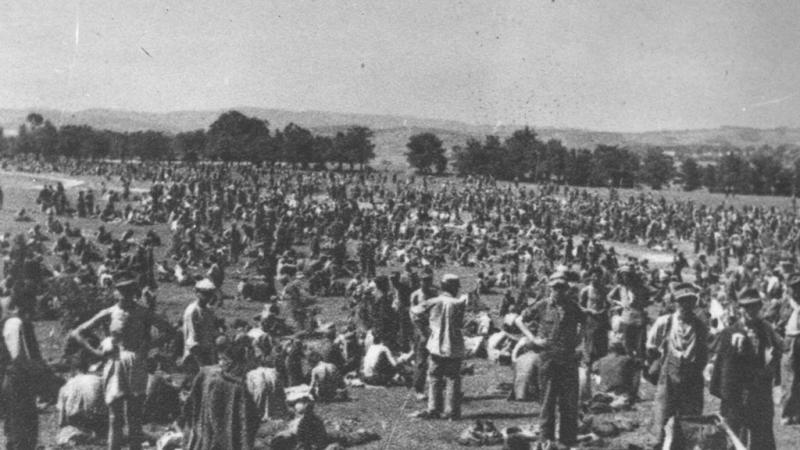
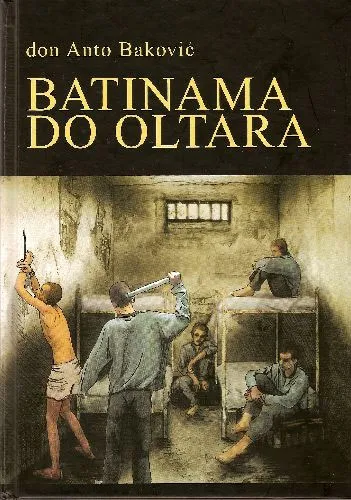
The persecution did not begin and it did not end with killing. A much larger number of people were imprisoned in Communist prisons. Some were held for several months without being brought to trial. There is no information about people who were imprisoned daily, then held in prisons for a certain period of time and then released without trial. I know for sure that there were many of them. You did not have to be pronounced guilty for the persecution, it was enough that there was a motive. Often there was not even a motive. I remember the case of Petar Popić and Ilija Bubalo, both from Poljari, when they were imprisoned as an example for others.
Such arrests were organized as part of preparations for the implementation of certain measures, such as the obligatory purchase of agricultural products, the gathering of people to go to the labor brigades at the front, the planned autumn or spring sowing, membership in peasant labor cooperatives and the like.
For the arrest, the most prominent people in the village were selected. They were branded as counterrevolutionaries and labeled kulaks, following the example of the Soviet Bolsheviks. How our people received the new government, what they felt inside, is difficult to describe. One thing is certain, they were confused. If they did not accept the so-called people’s government, in reality the Yugoslav Communist regime, they could lose everything. In our region, people did not trust the new government and could not rely on it. They saw the only support in the Church, which could offer them spiritual assistance, a kind of encouragement and solidarity.
Sources:
Petar Jerković, S ruba zaborava, Slavonski Brod – Sarajevo, 2008
Ivan Čičak, Andrija Zirdum, Stradanje Hrvata plehanskog kraja: 1941 – 1947, Derventa, 1991
Editorial/crimesofcommunism.net