




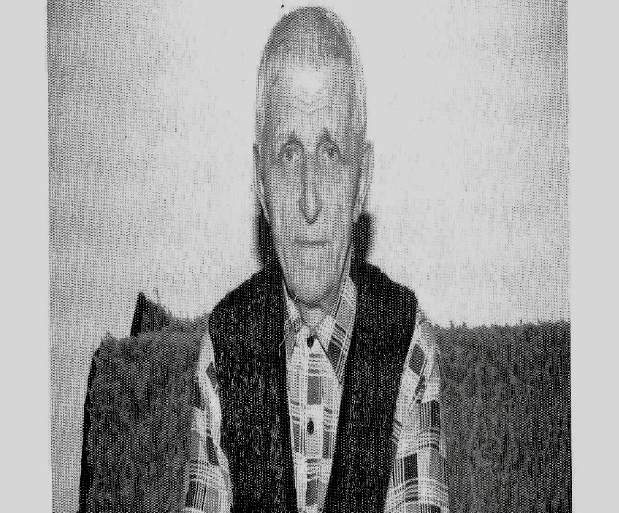
Testimonial: Anto Ikić from Štrepci near Brčko
Testimony of Ante Ikić from Štrepci near Brčko
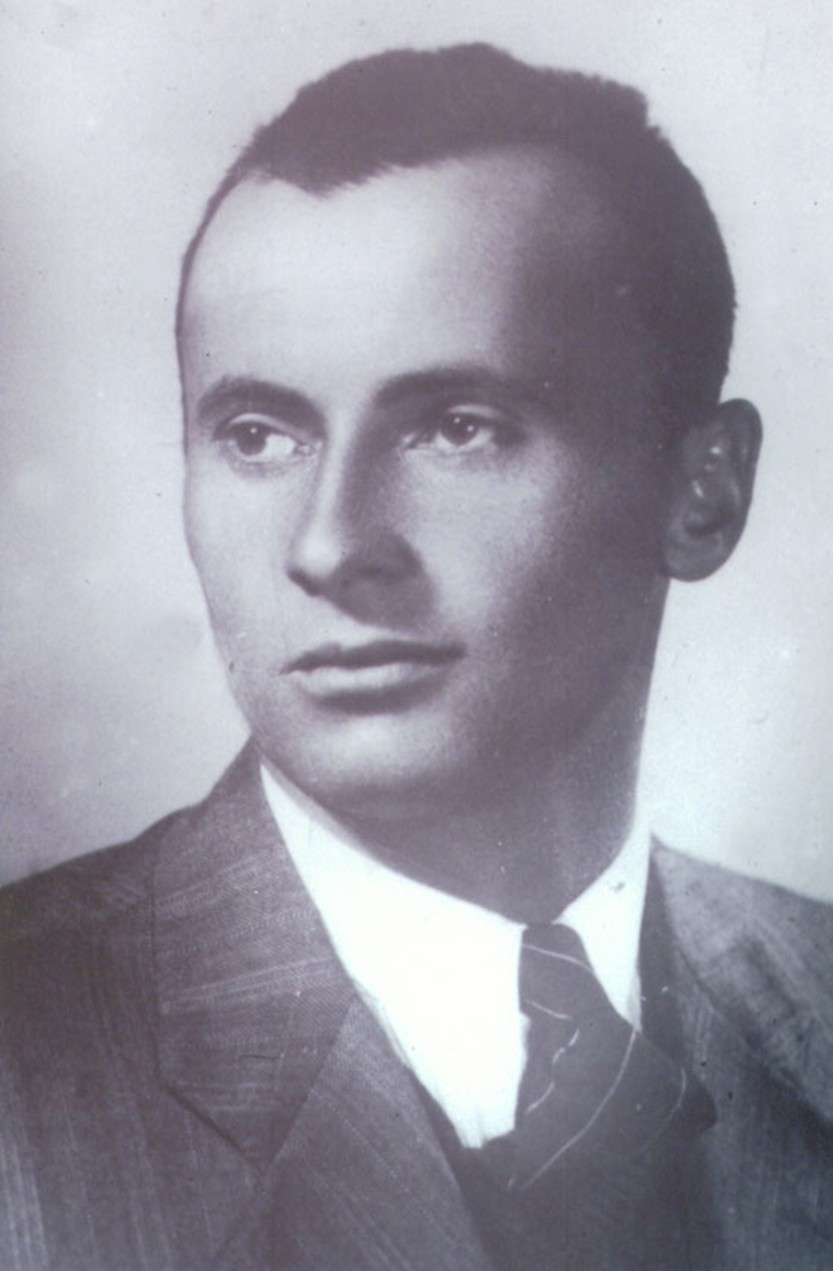
I was born on April 7, 1917 in Štrepci (the parish of Zovik) to father Filip and mother Janja née Mateljić. I am married to Luca Lopandić from Vitanovići.
I was a member of the royal army. I served in the army in Belgrade, where I witnessed the bombing of Belgrade on April 6, 1941. The Germans captured all of us near Valjevo and then deported us as prisoners of war to Germany via Romania and Poland. From 1941 to 1942 we worked with the peasants in agriculture. Then we were demobilized and our boss Willi Guntter escorted us to the train from where we went to Zagreb. On the feast of St. Joseph, March 19, 1942, I returned home.
I stayed at home for three months until I was mobilized to the Croatian Home Guard, to the 8th Regiment, which was stationed in Tuzla. Our regiment covered the area from Teslić to Kladanj.
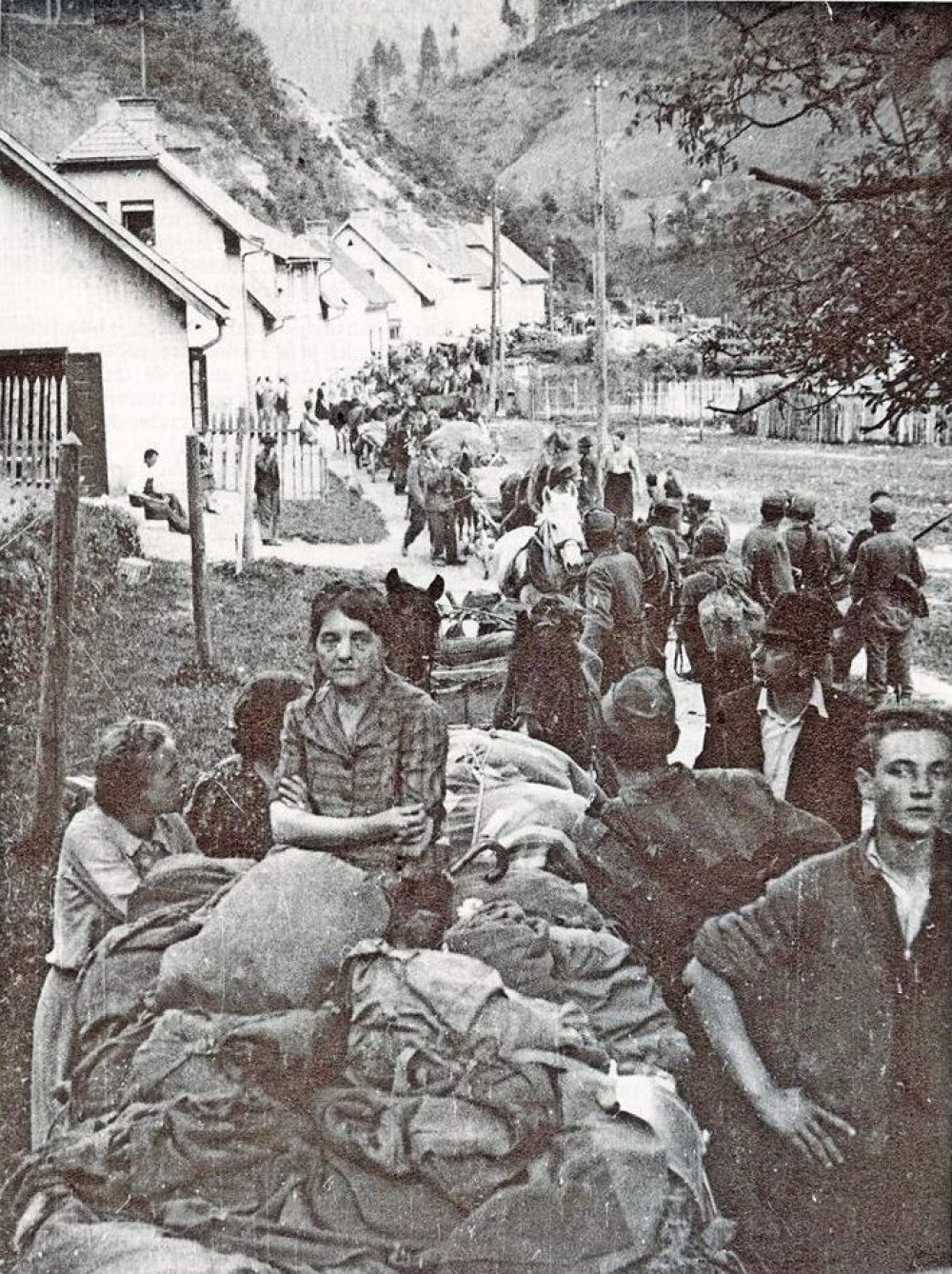
Tunjo Salatović (Martinović), a lance sergeant, and Božo Filipović from Zovik were also there. In the spring of 1944, we went to Vienna, where we trained with new weapons for a month. There we got new uniforms and weapons and returned to Šid. From Šid we went to Đakovo, where we stayed until 1945. After three days we retreated via Novska and Zagreb in the direction of Brežice. From Zagreb we went wherever we wanted.
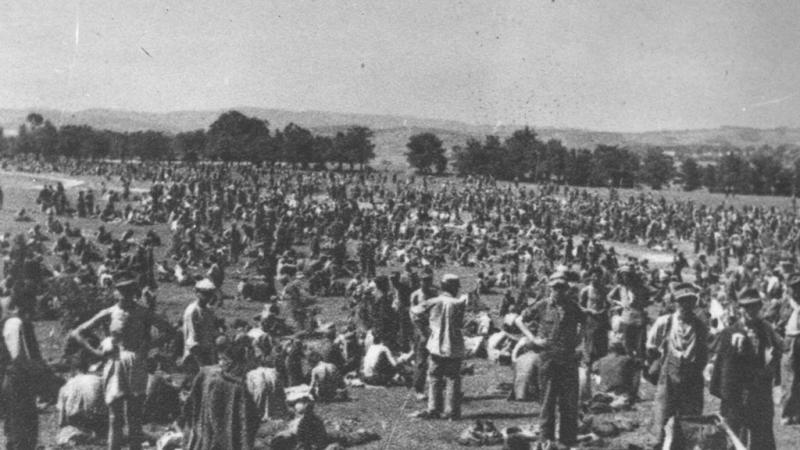
I did not want to go further than Brežice, so I surrendered to the Serbian Partisans. During the surrender, the Partisan judge said to me, “Why did you surrender here, why did you not do it in Zagreb, because here we have no place among the living?” When their judge judged us, I immediately replied, “Comrade, do not judge us, we are not politicians, we are peasant children, let us go.” In all his anger, he grabbed me by the shirt and started shouting, “What are you saying?! A Partisan could not hide from you.” And he also said, “Bring them away, Dragan.” There were exactly 40 of us Home Guardsmen who surrendered, and it was Sunday, May 13. On Monday, May 14, they lined us up and took us to Dobruška Vas (Novo Mesto), where they put us in a small cellar. When they prepared everything, they started calling us in groups of ten. Standing next to the cellar door, I was also picked up among the first ten. They told us that they wanted to register us again.
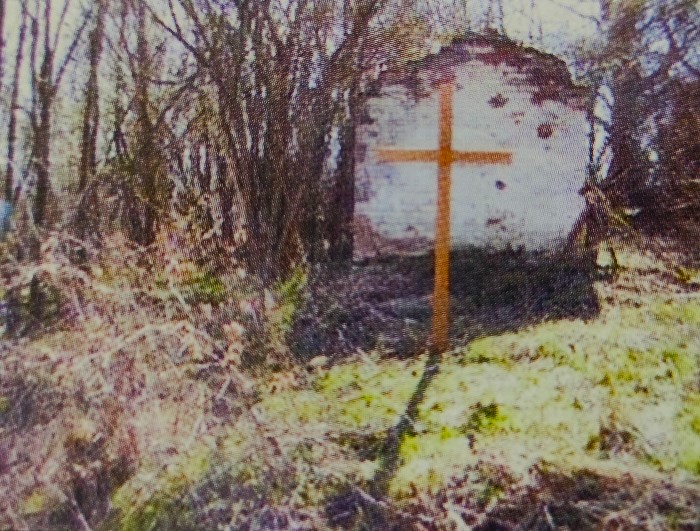
None of the ten of us could guess offhand what was going to happen, except me and the cook Pero. They took us to another room and tied us all together two by two. Before that, they tied each of our hands together with a rope and we held our hands from behind. When they had tied us all up, they took our bags from us and took all our things out of the bags. When they took off my hiking shoes, I managed to untie myself from behind with an arm-to-arm movement. But I still pretended to be tied up. I did not let them know anything was suspicious. They took us to the shooting range. It was a dark night, somewhere after midnight. While we were walking like this toward the shooting range where we were to be killed, I managed to untie myself from my comrade. I told him that when we run away, we should not go in the same direction, but one to the left, the other to the right, so that they could not catch up with us immediately. They took us in front of the pit where they were going to shoot us. The pit was dug near the Krka River on the coast. Their commander said, “The squad, halt”. When he said that, the colleague immediately went to the right and was killed on the spot. And I immediately went to the right and jumped into that pit. When I jumped, I was also wounded in the leg, but I did not feel it immediately. I crawled through the long pit, reached the river and got in. They were shooting behind me, bullets whistling from all sides. I crossed the river to the other side and hid in the forest. There I was for two days, completely frozen and exhausted, without water or food. During those two days in the forest, I heard them bring out three groups of ten of them to shoot. First there was a shot from a machine gun, then a single shot from a pistol. On the third day I went to the nearest house in Čučja Mlaka, to the Miklač family. When they saw me, they were confused and surprised at first, but Mr. Anton took me in, gave me food and drink, and bandaged my wound. I stayed there for three weeks, then I was transferred to Franceška Bregar.
They sent me to the camp in Novo Mesto. Before that I had written a farewell letter to my father because I thought I would be caught and killed. They comforted me saying that nothing would happen to me. And so it was. I stayed in the camp for ten days and then was immediately transferred to a hospital in Ljubljana. There I was operated on, but the bullet was still in my leg. When I left the hospital, they sent us to Prečko and then home. My parents already thought that I had been killed, because some had already told them that there was no news of me. When they saw me, they were very happy that I was still alive. Before that, they had already mourned and grieved for me. But when I came back, they were so joyful and happy that it was indescribable. They could not believe it themselves, they thought they were dreaming.
Source: Vitomir Zečević, Zovik na križnom putu, Zovik, 2002.
Editorial/crimesofcommunism.net