




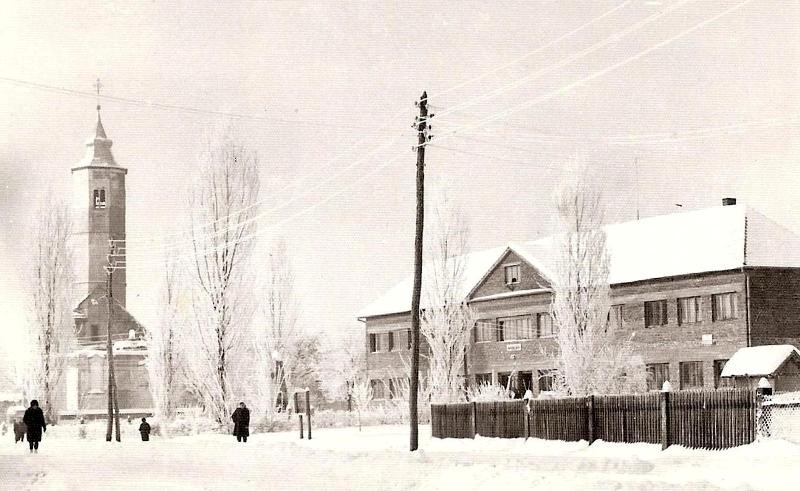
Velika Pisanica village centre
Velika Pisanica
The most numerous in the Velika Pisanica camp were Germans from Posavina – civilians from Brčko, Bijeljina, Gradačac and Šamac.
The Velika Pisanica concentration camp near Bjelovar (German: Arbeitslager Groß-Pisanitz), intended for Germans and Austrians, was established by the communist regime in Yugoslavia after World War II. The camp in Velika Pisanica was organized in the premises where Croatian armed units of the Independent State of Croatia had been stationed for several months. Locals, civilians and officials, who were not political sympathizers of the Communist Party, were the first detainees in this camp.
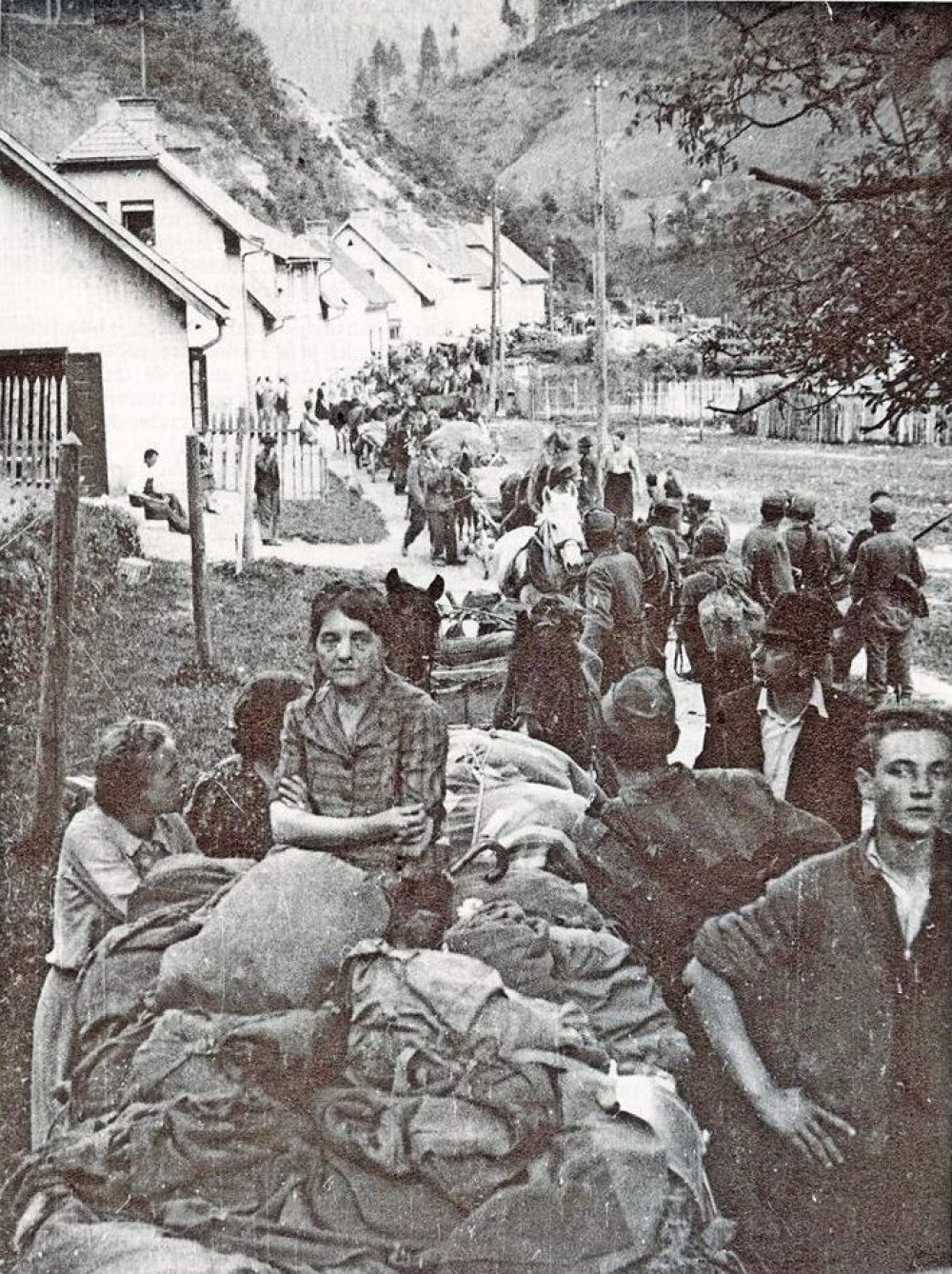
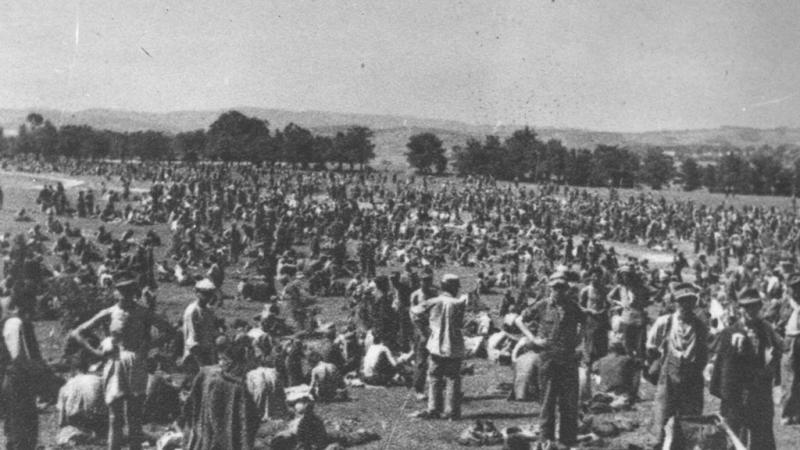
In official camp documents, the Velika Pisanica camp is marked as the Velika Pisanica Forced Labor Concentration Camp. In early July 1945, after being expelled from Yugoslavia, 3,000 Volksdeutscher left the Josipovac Labor Camp, and took a train to Austria, in crowded cattle cars, without enough food and water. On July 22nd, 1945, another 1,800 people were sent from the Valpovo Labor Camp. However, as the British occupation authorities in Austria refused to accept them, the transport had to return from the Austrian border, and after a few days of wandering aimlessly, it ended up in Velika Pisanica near Bjelovar. The same happened in July, with two more transports of Volksdeutscher who had been sent towards the Austrian border. A camp for prisoners of war (German and Croatian soldiers) and political prisoners (civilian intellectuals, priests) was first established in Velika Pisanica. The newly arrived Volksdeutscher slept in the open in Velika Pisanica, because the several existing barracks were already full.
About 3,000 Volksdeutscher were first brought to Velika Pisanica. Most were Germans from Bosnian Posavina (Brčko, Bijeljina, Gradačac and Bosanski Šamac). Immediately after the war, in 1945, they were arrested and interned, and their property was stolen and awarded to communist leaders. The famous Kleiner family from Brčko also died here, whose property was also stolen!
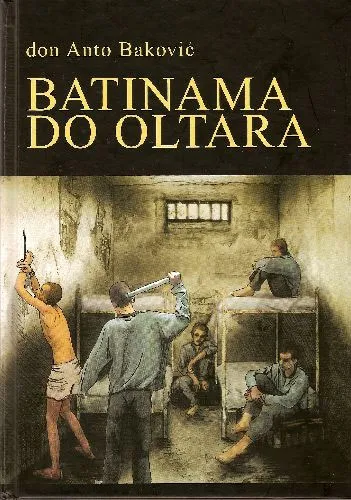
According to the internees, the situation of the detained Catholic priests was particularly difficult and humiliating, including Rev. J. Konopka from Bijeljina. In the Velika Pisanica camp, he was among the people who were jailed in pigsties. The interned Catholic priest, the Rev. Peter Fischer (1912) from Dalj, testified that ten Catholic priests in the Velika Pisanica camp were locked in a pigsty.
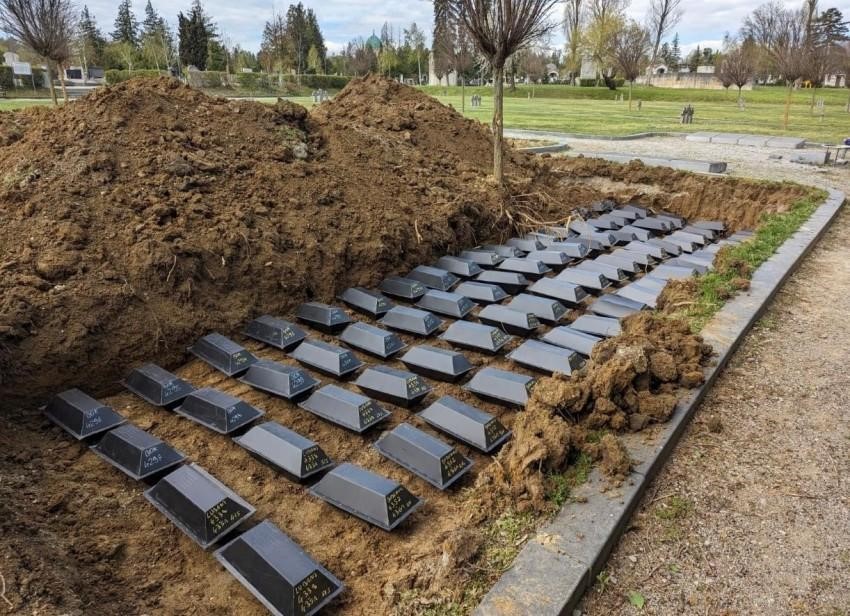
According to very reliable allegations and estimates, the number of people turned back on these transports was more than 6,000, mostly the elderly, women and children. They were taken to the former fair, where they were exposed to rain and bad weather. Due to very poor nutrition, exhaustion, outbreak of infectious diseases and forced hard labor, the elderly and children soon begin to die. The total number of victims of the Velika Pisanica concentration camp has not been determined. So far, a smaller number of victims has been identified by name, but it is estimated that there were more than 300. Most were killed by starvation, very poor medical care and forced hard labor. Some of the prisoners were taken from the camp, executed and buried in mass graves!
According to Nikola Čolak, who stayed in this camp, the commissar of the camp was a local named Stevo, Serb by nationality, while the internal commander of the camp was a man by the name of Pevec, a native of Međimurje, butcher by profession.
Peasants from the surrounding villages came to pick up the camp inmates and used them as laborers for various farm jobs; that is, they rented them as laborers from the camp administration. According to the statements / memories of the detainees, some of the peasants showed compassion and gave the prisoners food and clothes. After a short stay in Velika Pisanica, from early August until August 10th, 1945, Volksdeutscher started to be transported to the camps for the Volksdeutscher in eastern Croatia (Krndija, Valpovo). This also meant the continuation of the suffering of Germans from Slavonia, Srijem, Baranja and Bosnian-Posavina, but also Croatian home guards and civilian intellectuals who were in those transports.
Sources:
Vladimir GEIGER, “Velika Pisanica Camp 1945”, VDG Jahrbuch 1999, Osijek 1999.
Nikola Čolak, Behind the Barbed Wire, Padua 1977.
Editorial board/crimesofcommunism.net