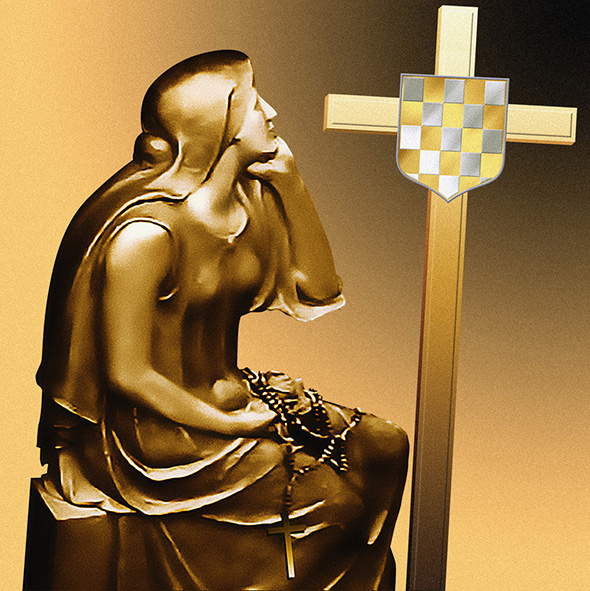





In 1996, the locals of Jare erected a monument to the victims
Jare – Široki Brijeg
The parish of All Saints in Jare is located in the southwestern part of the municipality of Široki Brijeg, on the slopes of the Mostarsko Blato, between the villages of Biograci in the parish of Ljuti Dolac and Uzarići, which belong to the parish of Široki Brijeg. It consists only of the village of Jare, to which as many as 16 hamlets belong.
Although the parish is relatively young, the name of the village Jare was mentioned more than half a millennium ago, more precisely in the Turkish defter (a type of tax register and land cadastre in Ottoman empire, t.n.) of 1468. Of course, the first mention of the name does not mean the beginning, but it is only a proof of its age. Jare existed much earlier and there are many Stećak (monumental medieval tombstones, t.n.) in various necropolises such as Vinogradine and Čerezovci. There is a continuity of human settlements, but it is impossible to find out since when this village was called Jare.
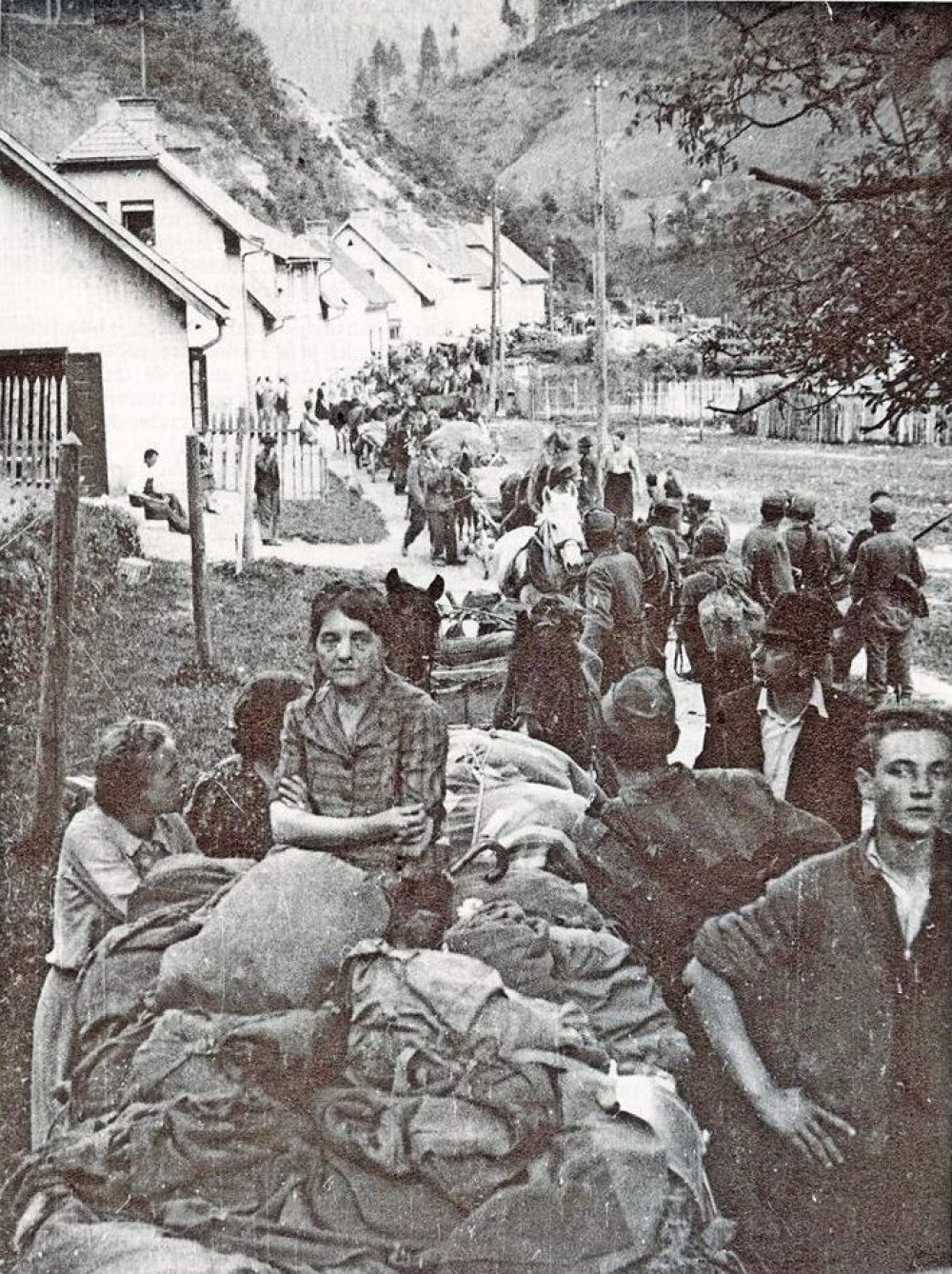
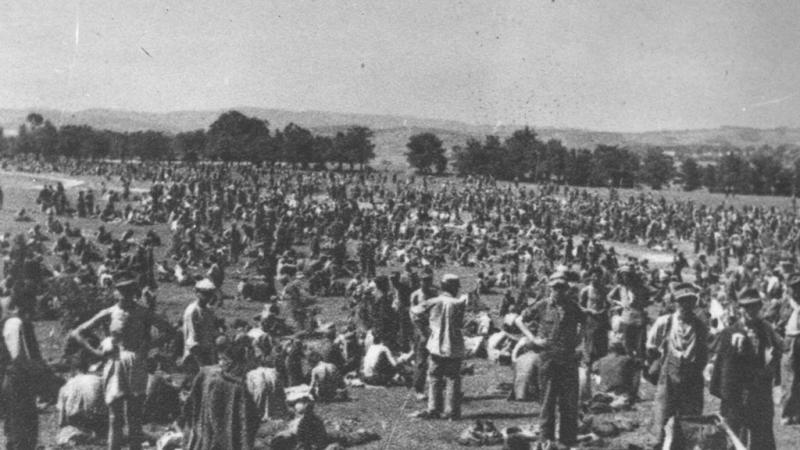
Jare is an inhabited place in the town of Široki Brijeg in Herzegovina, in which only Croats live. The composition of the population remained unchanged even during World War II. The settlement of Jare made a great sacrifice during World War II. As many as 115 of its inhabitants fell victim to the Yugoslav Communist regime. Jare was systematically neglected by the Yugoslav Communist authorities during this state regime. Like most other Croatian places, Jare also made a great sacrifice, because there is almost no family in which at least one family member was not killed by the Yugoslav Communist regime.

During the time of Don Krešimir, the idea of a memorial to the victims of Jare was realized. In 1996 the inhabitants of Jare erected a monument to 115 fallen soldiers of World War II and 14 fallen soldiers of the Homeland War. The vast majority of the victims were young men who were killed by Partisans on the Way of the Cross after the end of the war. The monument stands on the road that runs through the village and was designed by engineer Vlado Lasić. Since the names of mostly younger people were carved, men in the prime of their lives, the guiding idea for the construction was the end of those lives. For this reason, the tops of the parts of the monument look “broken off.” On the memorial plaque there are 115 names of victims of World War II and the aftermath, as well as 14 veterans of the last war. A stone cross 2.35 meters high rises from the base.
Source:
nedjelja.ba from December 29, 2017
Photo: Gordana Zelenika, Facebook
Editorial/crimesofcommunism.net