




Albert Haler
Albert Haler
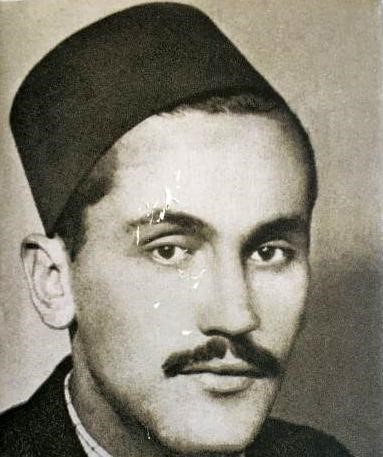
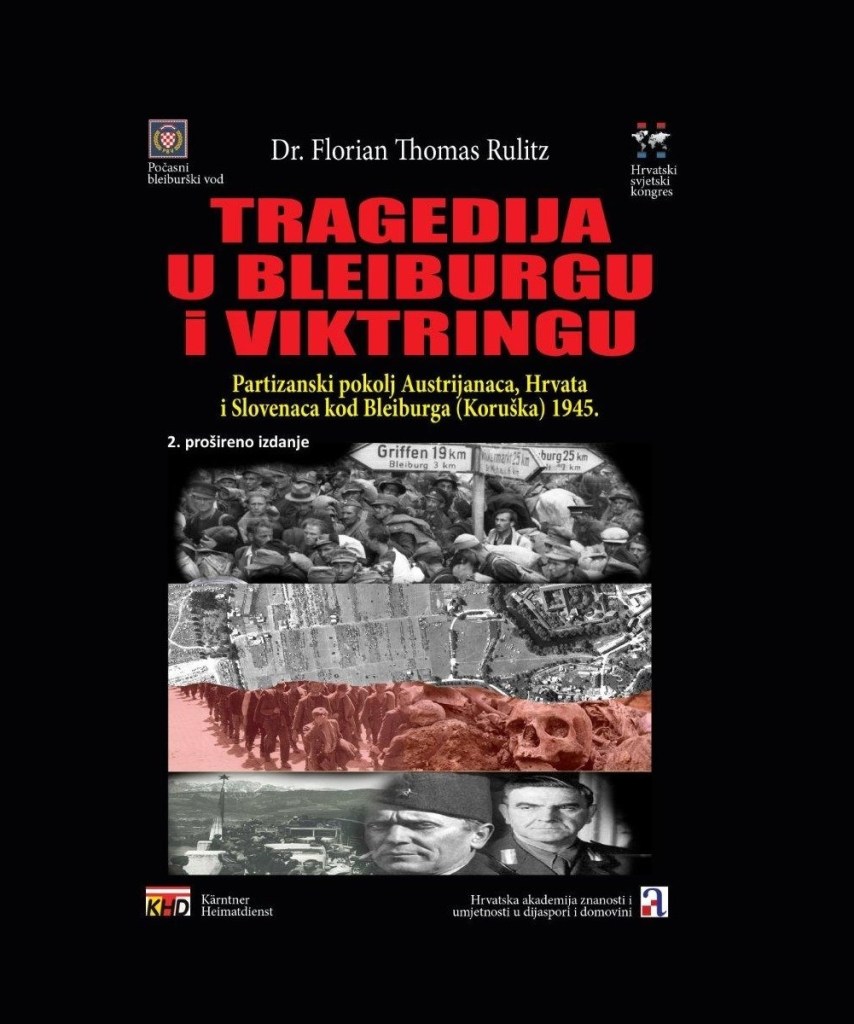
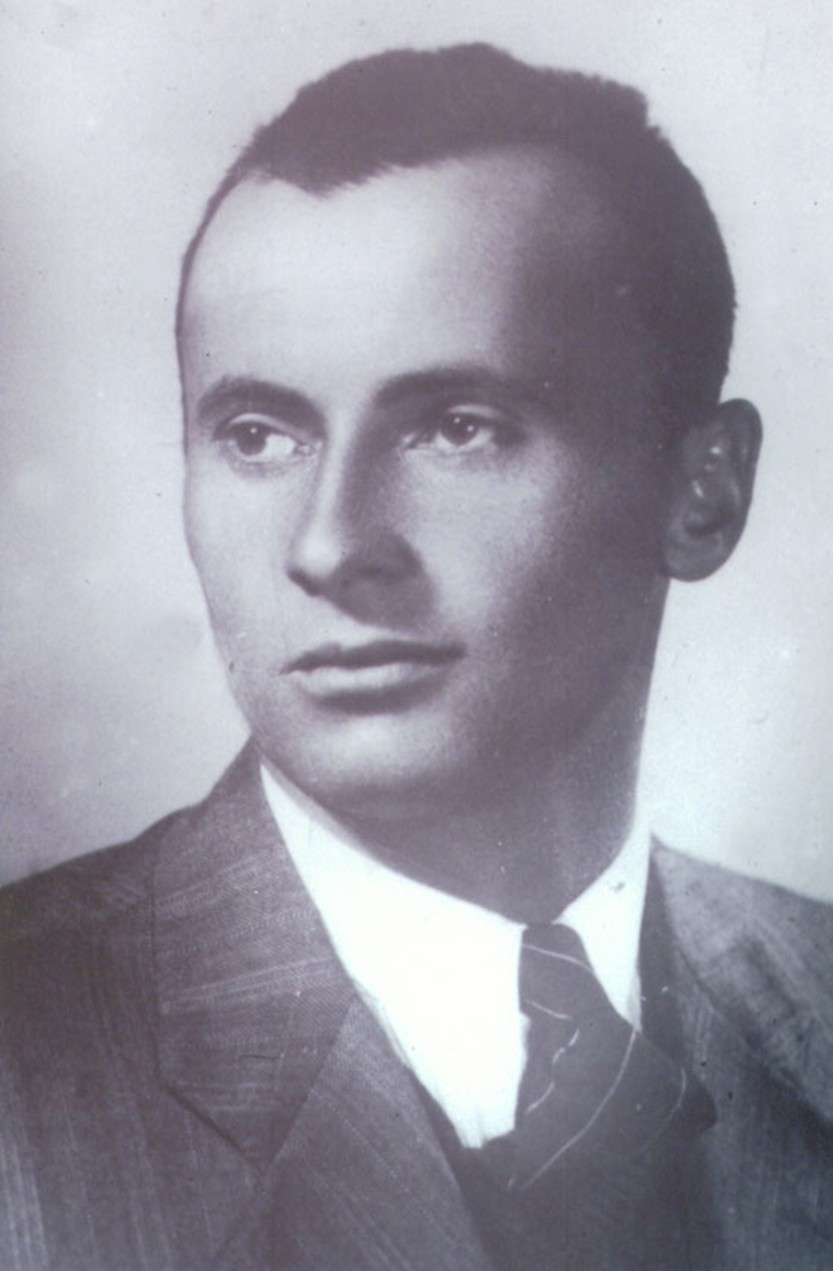
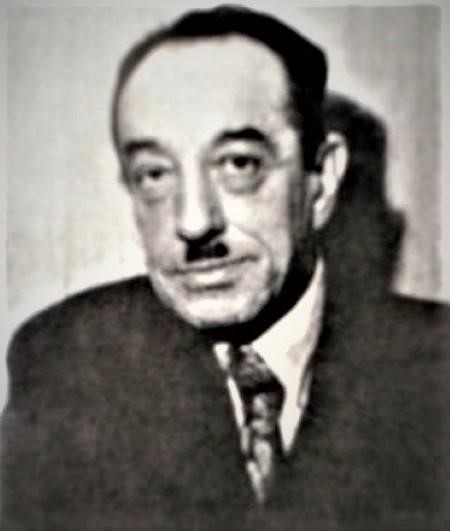
Prof. Dr. Albert Haler, Croatian essayist, aesthete, literary critic, literary historian and victim of Tito’s Yugoslav Communist regime. Born in Dalmatia, in Vrgorac, on August 3, 1883, brutally murdered on the Way of the Cross in the canal in Kamnica near Maribor, on May 18, 1945.
He graduated in classical philology in Vienna in 1909; during his studies he also studied philosophy. He graduated from the Faculty of Philosophy in Zagreb in 1927 with the thesis Gundulić’s Osman from an esthetic point of view. From 1909 to 1943 he worked as a gymnasium teacher and principal in Dubrovnik, Split and Zagreb.
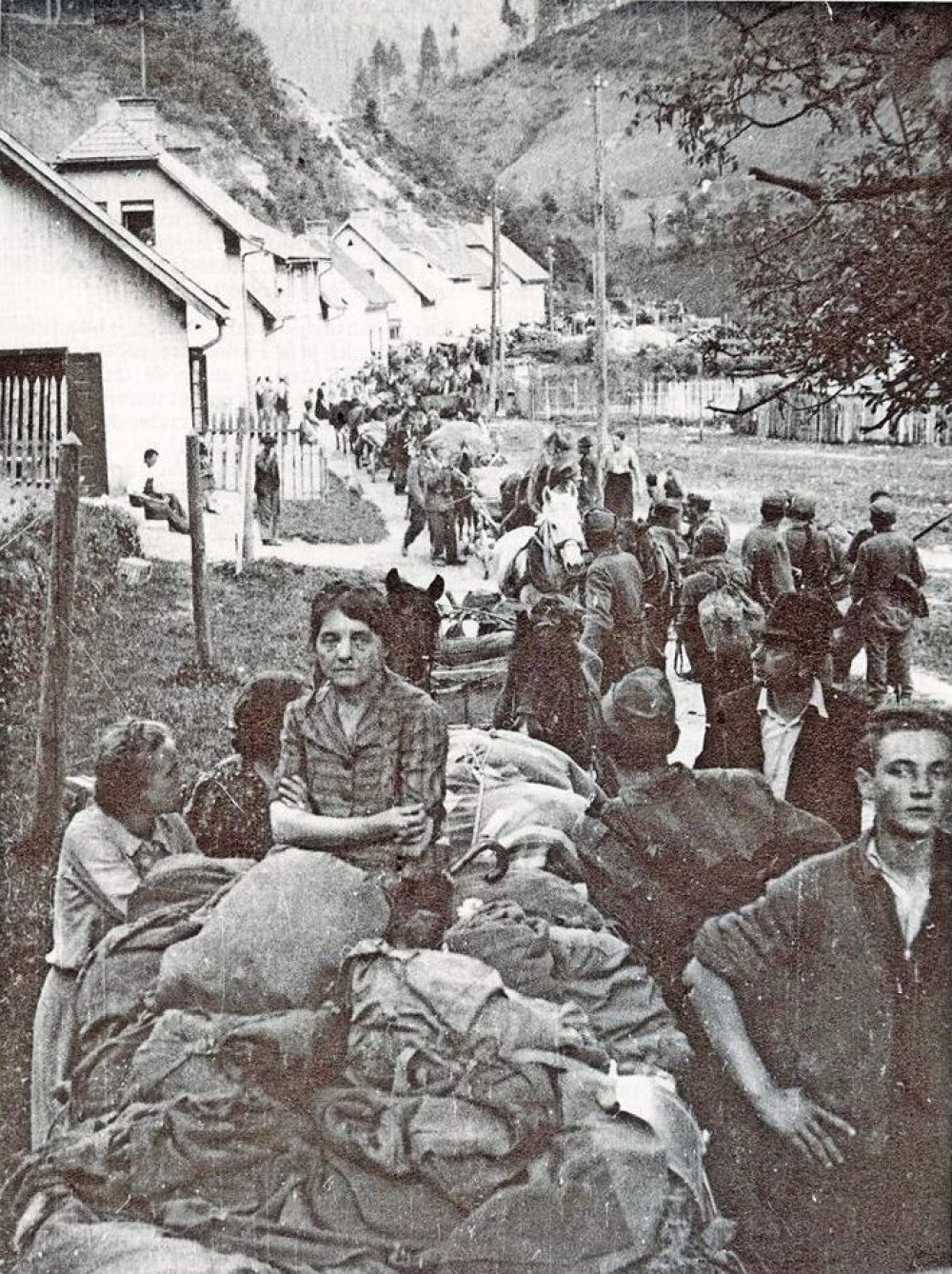
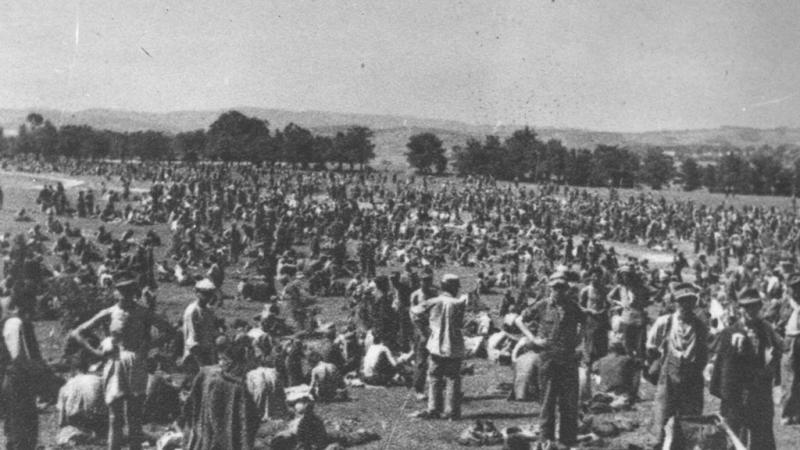
In 1943 he was appointed professor of ethics and aesthetics at the Faculty of Philosophy in Zagreb. In May 1945 he withdrew from Zagreb with the refugees. Albert Haler, killed by Tito’s Partisans on the Way of the Cross and lying dead in a ditch by the road, was recognized by a Dubrovnik friar. He took his identity card and other things he found and gave them to his daughter in Graz.
This is the only but poignant information about the death of the Croatian literary critic and historian, Professor Albert Haler, who met his tragic end on the Way of the Cross in May 1945.
He published literary criticism, articles and essays in numerous journals between 1899 and 1945. His main work of literary theory is Doživljaj ljepote (The Experience of Beauty, t.n.) (1943). It follows Benedetto Croce’s conception of spiritualist idealism.
He defines art as a “spiritual act of an affective-fantastic nature” and poetic creation as the “projection of feelings through the creative imagination into the immensity of spirituality.” He rejects social-psychological and cultural-historical criteria in evaluating literary achievements (the so-called anti-positivist rebellion). A literary work should be considered completely autonomous, a work of “pure poetry,” and judged only by its aesthetic value, based on intuitive experience. On this subject he engaged in a significant polemic with Antun Barac from 1923 to 1925. His tumultuous polemics with Vladimir Dvorniković, Vladimir Nazor and Miroslav Krleža also attracted attention.
First he was a gymnasium professor, later a university professor, he was already engaged in literary criticism as a young professor. He published several studies and reviews in various journals, as well as several independent works:
Gundulićev Osman s estetskog gledišta (Gundulić’s Osman from the Esthetic Point of View, t.n.), Belgrade, 1929
Antun Kazali, Dubrovnik, 1935
Izbor iz tuđih književnosti (A selection from foreign literature, t.n.), 1941
Doživljaj ljepote (Experience of Beauty, t.n.), 1943 (follows B. Croce)
Novija dubrovačka književnost (Recent Dubrovnik Literature, t.n.), 1944
A selection of his essays and studies was published in Five Centuries of Croatian Literature, No. 86, Zagreb, 1971.
Croatian cultural audiences were upset by his negative assessments of Petar Preradović, Silvije Strahimir Kranjčević, and Gundulić’s “Osman.” He respected the classical writers, to whose works he can fully apply his standards: Shakespeare, Goethe, Homer.
Haler’s essays are not dry theoretical analyses, but works of art. Therefore, Haler deserves a prominent place among Croatian aesthetic critics.
Sources:
Vinko Nikolić, Hrvatska revija, Ispod slavoluka smrti, Bs. Aires, V. 1955., no. 4 (20), December, pp. 345-390
Hrvatski biografski leksikon, vol. 5, 2002
Mladen Švab, Tko je tko u N.D.H. Hrvatska 1941.-1945., Zagreb, 1997
Editorial/crimesofcommunism.net