




Ismet Žunić
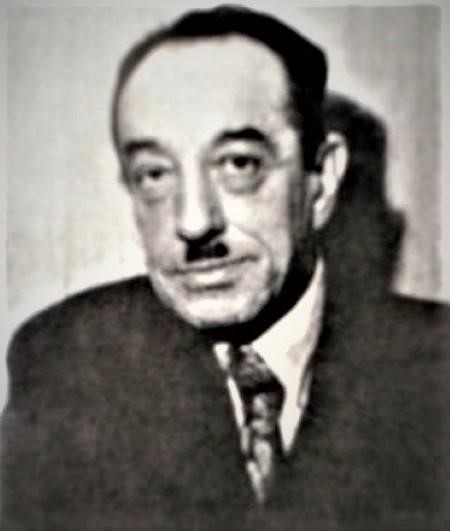
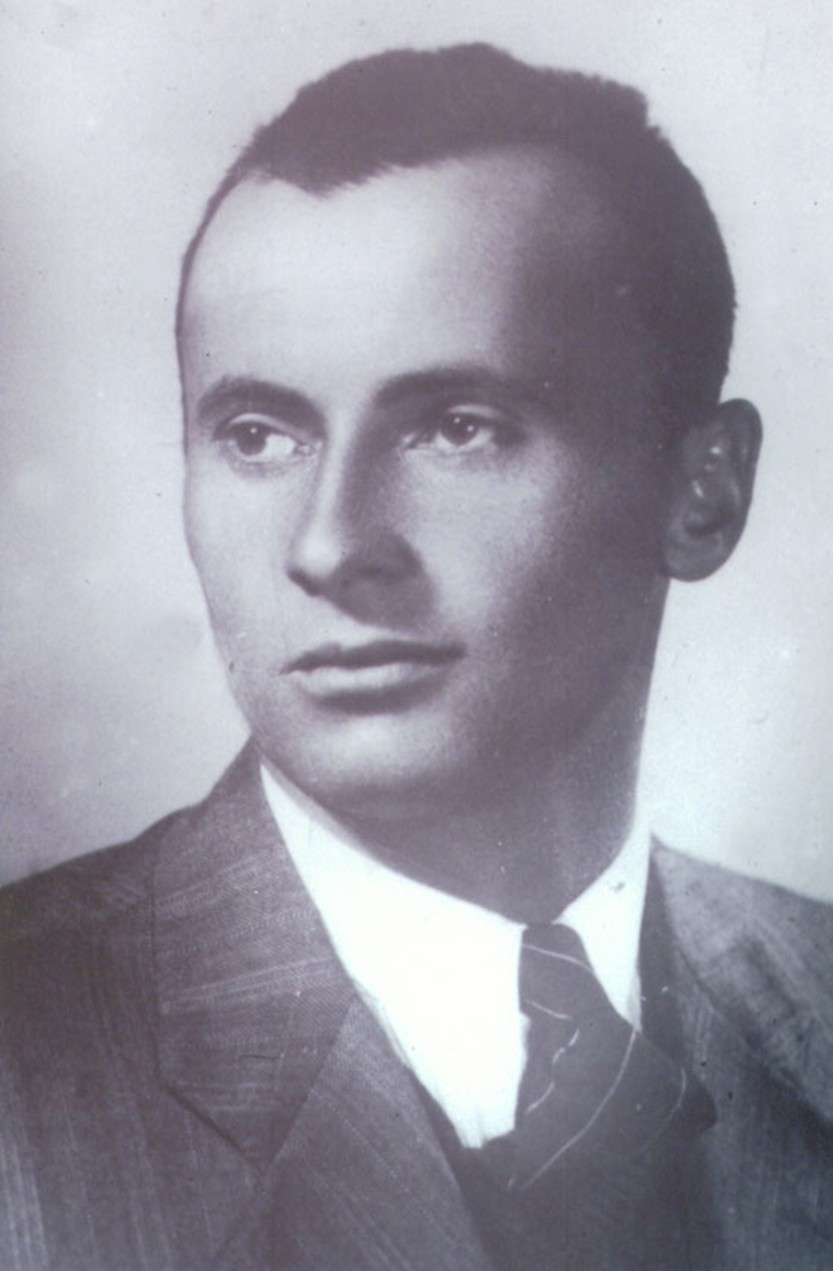
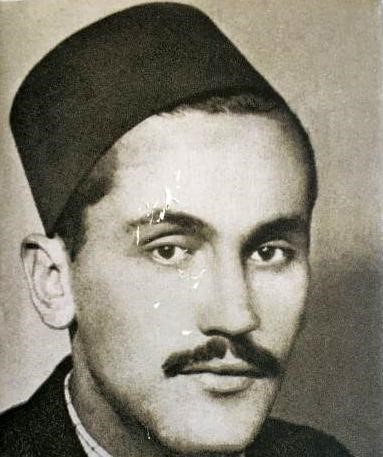
Ismet Žunić, poet
Ismet Žunić was an Islamic theologian and poet. Ismet Žunić is a writer of Islamic faith who belonged to the Croatian literary circle. He was born on December 27, 1914 in Tuzla and was killed in 1945 near Slavonski Brod.
He passed the final exams at the Husredbeg Madrasa in Sarajevo in 1937 and continued his education at the Higher Islamic Sharia Theological College in Sarajevo. He belonged to the Croatian poets of islamic faith active between the two world wars. During the NDH he worked in the administrative service.
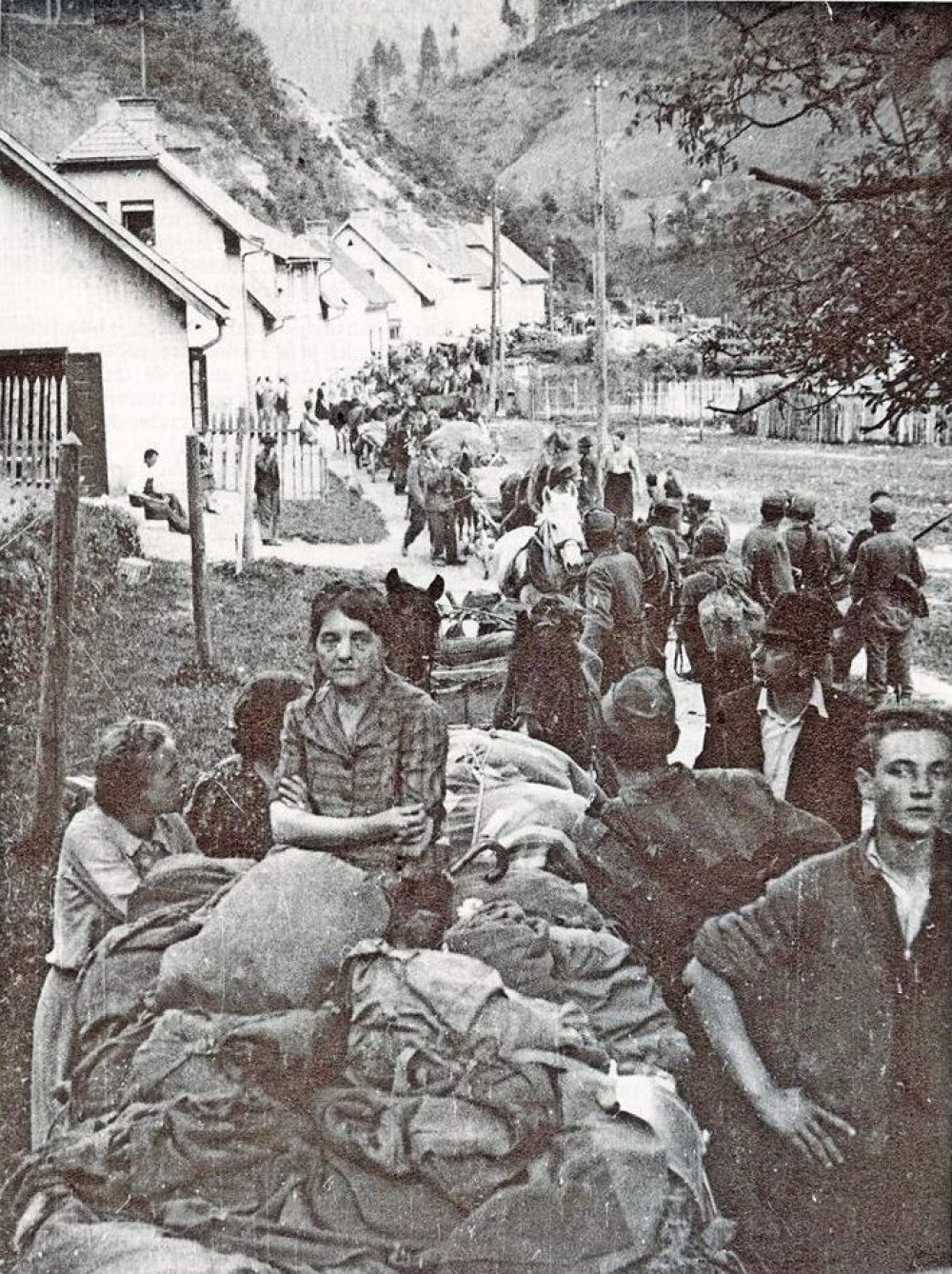
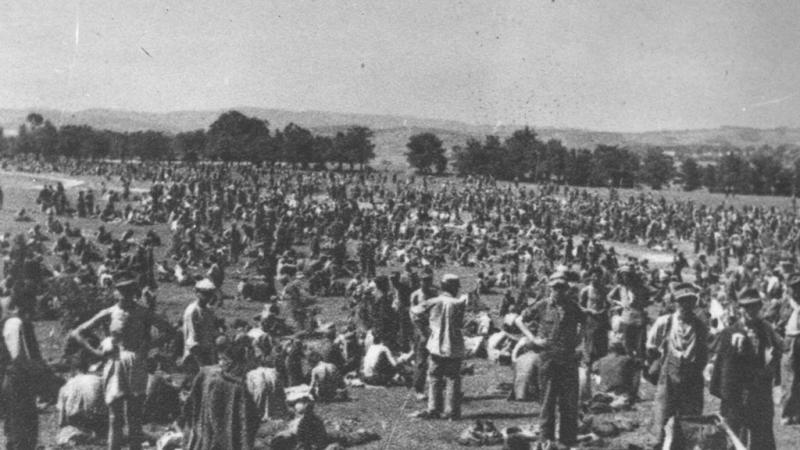
In May 1945, he fled to Austria, from where he was brought back and handed over to the authorities of the Yugoslav Communist regime. He was sent to Sarajevo, where he never arrived. All traces of him are lost near Slavonski Brod, where he was most likely killed. When the Partisans started the mass killing of “unfit intellectuals,” Ismet Žunić disappeared among them, as did fellow poets Branko Klarić, Vinko Kos, Stanko Vitković and others.
He published his first poetic works in “Novi Behar” (1931-1934). During the NDH he collaborated on poetic works and commentaries in publications such as “Osvit” (1942-1943), “Hrvatsko kolo” (1941-1943), “Hrvatski narod” (1942-1945), “Hrvatska revija” (1942-1945), “Hrvatska smotra” (1943), “El-Hidaja” (1938-1943) and others. He is featured in the “Poetry of Croatian University Students” (1939).
Ismet Žunić is still a banned poet in his hometown Tuzla. Slightly covert Communism still prevails in this city today. Numerous supporters of Tito’s Communist totalitarian regime in Tuzla look upon this poet with certain hatred and contempt.
In 2009, Žunić’s collection “Ritam rata i poezije” (The Rhythm of War and Poetry, t.n.) was published. The review for the issues of historical continuity of the Croatian statehood “Država Hrvatska” (The Croatian State, t.n.) devoted its double issue, no. 7-8 of July 12, 2011, to the role of Bosnian Muslims in the construction of Croatian literature, with Ismet Žunić on the cover.
Editorial/crimesofcommunism.net